


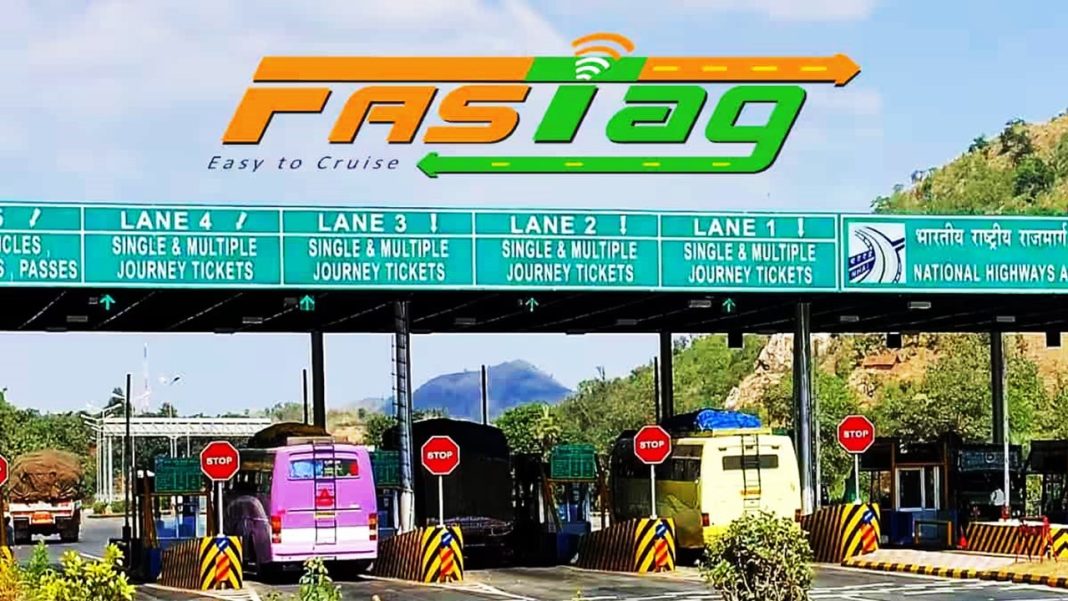
FASTag New Rules for Users implement w.e.f.1st August; Know All About it
With starting August 1, FASTag’s new rules will come into force to speed toll collection, minimize congestion and improve the efficiency of the country’s roadways. National Payments Corporation of India (NPCI) implemented these rules.
To avoid potential inconveniences at toll plazas, users will also be required to update their accounts.
What will happen if one fails to adhere to the FASTag New Rules?
It is important for all users to follow the new laws and regulations; by October 30, 2024, failure to do so would result in inconvenience at toll plazas.
New Regulations of FASTag
Replacing FASTags and KYC Update
For all FASTags issued between 3 to 5 years prior, all FASTag users must have completed their KYC by October 31, 2024.
“Starting 1st August, the countdown against time begins for companies offering FASTag services” the new NPCI guidelines state.
To avoid service interruptions, It is essential for FASTag holders to keep their KYC details updated. October 31st is the deadline to complete this process. Apart from this, FASTags that are more than 5 years old have to be replaced.
Linking Information of Vehicle
All FASTag users must link their vehicle’s registration number, chassis number, and owner’s mobile number starting from 1st August. It is important for individuals who have purchased a vehicle recently to update the registration number on the FASTag within 90 days of the purchase.
Upload Photo
Users must ensure that their vehicles’s images are uploaded to the portal. These images will cover the vehicle’s front and side views, as well as a good shot of the FASTag sticker.
Linking of Mobile Numbers
Each and every FASTag is mandatory to be linked to the number of owners. This will facilitate clear and effective communication between FASTag suppliers and users.
Verification of Database
Service providers of FASTag will need to thoroughly verify their databases. This includes ensuring that the information associated with each FASTag matches that in the VAHAN database, India’s national vehicle registry. This verification process is vital for ensuring the accuracy and validity of all data.


